EBB 399 – Benefits and Safety of Exercise during Pregnancy with Ashley Reid, Exercise Physiologist and Author of “Active Mom”
Dr. Rebecca Dekker – 00:00:00:
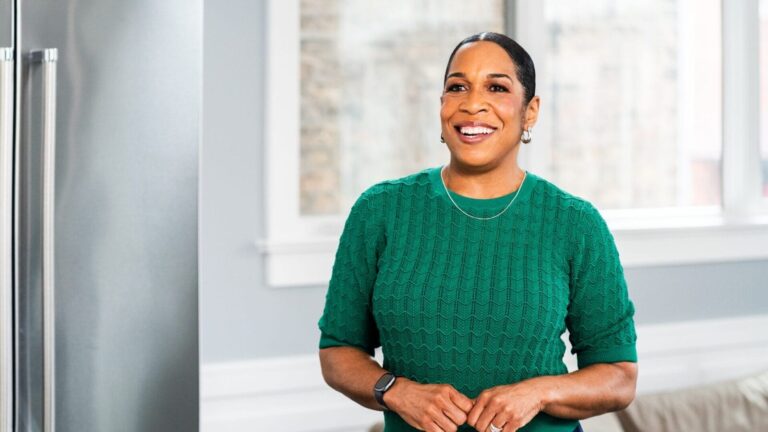
Hey everyone. On today’s podcast, we’re going to talk with Ashley Reid about exercise and strength training during pregnancy. Welcome to the Evidence Based Birth® Podcast. My name is Rebecca Decker, and I’m a nurse with my PhD and the founder of Evidence Based Birth®. Join me each week as we work together to get evidence-based information into the hands of families and professionals around the world. As a reminder, this information is not medical advice. See ebbirth.com/disclaimer for more details. Hi, everyone and welcome to today’s episode of the Evidence Based Birth® Podcast. Today, I’m so excited that we get a chance to talk with Ashley Reid. Ashley is an exercise physiologist, a prenatal and postnatal wellness practitioner, and author of the newly published “Active Mom,” published by Bloomsbury in April 2026. Using her trademarked core function and fitness framework, Ashley has helped hundreds of moms stay active through their due dates, return to exercise after having their baby, and meet the physical demands of motherhood. Ashley lives in Philadelphia with her daughter, who has deeply shaped Ashley’s commitment to maternal exercise. Ashley, we’re so excited to have you. Welcome to the Evidence Based Birth® Podcast.
Ashley Reid – 00:01:21:
Well, thank you for having me. I’m extremely excited to be here.
Dr. Rebecca Dekker – 00:01:24:
Can you tell us a little bit about, you know, what got you fascinated by and focused on exercise during pregnancy and postpartum?
Ashley Reid – 00:01:34:
I mean, I’ve always been in awe just what exercise can do for the body, whether that’s decreased injury or increased performance for athletes. And so my background is exercise science, and I’ve always been in fitness in various situations and certified, you know, American College of Sports Medicine, strength and conditioning specialist. So kind of the top certifications there. So it’s always been a huge part of both personally and professionally what I’ve done. And I think like many of us in this field, we are shaped by our own pregnancy and postpartum experiences. And that’s where we really get that aha moment. And that’s exactly what happened for me. I was, I’ve been strength training, active my, you know, entire adulthood life. I became pregnant and knew that I wanted to continue exercising. And I had a difficult journey getting pregnant. So I think I was looking for a little reassurance for my provider on what was safe, what I could do, even though despite my background, I knew it was good for you. And, you know, I received some outdated advice, which isn’t uncommon. Sometimes it can take a while for research to catch up to practice. And I kind of just had to rely on my own instincts on what I could do and what felt good to me during pregnancy. So I did remain active my entire pregnancy. Fast forward, I had an unexpected C-section and recovery was difficult. So I kind of found myself in that same situation postpartum where not only did I not really know how to strengthen my core again after a C-section, but I was having some pelvic floor issues. And that brought me to a pelvic floor physical therapist, which I, like many moms, had no idea that that world existed. And that just really had me thinking, you know, I had some of the top certifications in the fields. I had a degree in exercise science. And I figured, you know, if I was having some of these challenges that other moms must too. So, you know, I had my daughter in these like baby groups and had my mom friends. And so I started pulling together for focus people for focus groups and a lot of the same challenges were arising. And so I said, you know what, I have this background and I’m going to use it for a purpose. And my daughter’s 11 now. So since then I have been focused on helping moms during pregnancy and postpartum.
Dr. Rebecca Dekker – 00:03:55:
That’s amazing. And I want to know more about your pregnancy experience, if that’s okay. Do you mind sharing what misinformation your healthcare provider told you?
Ashley Reid – 00:04:03:
Yeah, no problem. And I want to say this is in no way to point the finger. I think that there’s a huge misconception, you know, that doctors and providers are the know all about everything. And so this is not pointing the fingers at them at all. But I had received advice on 140 beats per minute. It was a guideline at one time that they recommended that if you were pregnant, you don’t let your heart rate get up beyond 140 beats per minute. And so I had received that guidance and just a little bit of like that fear, like, why don’t you just be cautious because you don’t want to look back and say that you did too much. And so I maybe not as confident in myself and what I was doing. And so a lot of it was still some of that, like, take it easy, don’t do too much first trimester, like, why don’t you not exercise at all? And I think, you know, it’s research shows that like 60% of moms feel that way that they are not getting the advice needed from providers. But when you think about it, I mean, there’s specialties in all areas, there’s tax professionals, there’s tax professionals for corporations. So just because a provider is experienced with fetus health, and, you know, going into labor and delivery, that doesn’t mean they’re exercise experts. And so it’s a lot for them to keep up with. So I think that that’s really where the fitness industry needs to step up a little bit too and work with OBs and pelvic floor professionals. So that newly researched that’s coming out can then make its way to the people who really need it.
Dr. Rebecca Dekker – 00:05:28:
Okay. So that you’re saying there was research at the time and still is saying it’s okay to go above 140 beats per minute when you’re exercising during pregnancy.
Ashley Reid – 00:05:38:
Yes. And I think good or bad, the internet is here and sometimes things live a little too long on the internet. And so I think one common theme, especially with pregnant exercise during and after pregnancy is that there was a lack of research and that’s really where a lot of the assumptions came from. So it wasn’t like there was a study.
Dr. Rebecca Dekker – 00:05:57:
It was just kind of like personal recommendations based on what…
Ashley Reid – 00:06:00:
Yeah. There was never a study saying you can’t go above 140 beats, but that was the guidelines and ACOG, that was their guidelines because we just didn’t know. So it was like, hey, let’s just be safe. And I think that’s where a lot of like the myths come from is we didn’t have the research. They weren’t performing research and there’s a lot more coming out now, but it was more of a, let’s be cautious because we just don’t know. There was never anything saying that 140 beats per minute was the magic number.
Dr. Rebecca Dekker – 00:06:27:
I Remember in my own pregnancies that caused fear for me. Cause I remember like vividly being at the gym and my first trimester with my first baby and just like kind of constantly tracking my heart rate, making sure it didn’t get above 140. Does that sound familiar to you?
Ashley Reid – 00:06:45:
Definitely. And I think, you know, I’ve worked with hundreds of moms and I think there is just that fear of intensity in general, whether tracking your heart rate or not. And I think now, you know, with the wearables and you can track your heart rate from your watch. I think that that can be something that is a little more concerning. And I think one thing to keep in mind is that your cardiovascular system changes during pregnancy. So sometimes those monitors aren’t even as accurate while you’re pregnant. So on top of the myth, just how you’re monitoring that can affect you. And I think a lot of moms face a lot of fear. A lot of the moms I worked with during pregnancy is they were coming to me because they, you know, weren’t confident in what they were choosing.
Dr. Rebecca Dekker – 00:07:24:
It’s funny to think that humans didn’t develop however many millions of years to constantly know what our heart rate is. Right. So it’s kind of a, definitely a new intervention we’ve introduced recently. And then what did you do? You said you followed your instincts. Cause I remember not feeling that well in the first trimester. I was typically very sleepy, very tired, nauseous. So I just kind of did a lot of gentle walking and some prenatal yoga, but what were you able to do in the first trimester?
Ashley Reid – 00:07:51:
I mean, I did have a lot of the fatigue, but I didn’t have any morning sickness or anything like that, thankfully. So I actually, I never call myself a runner cause I see runners as like people who are like super committed and dedicated, but I do run. So I did keep running up until about six, seven months. And then that’s when it became a little more uncomfortable. I strength trained like three, four days a week. So, you know, I was getting up, I maintained my get up at 5am. And, you know, I realized that not everybody is going to have that experience because I, you know, I was in the fitness field. So I definitely had a little bit of an advantage there already, but yeah, strength training felt really good to me. And as you know, there was days where maybe I was more tired and so I didn’t do as much. And, but then if I was feeling good, I tried not to restrict myself based on intensity and things like that, based on like the numbers or the advice I had been given.
Dr. Rebecca Dekker – 00:08:42:
So you’ve mentioned the research a couple of times. So based on the research, can you share with us, like, what do we know about both the safety and the benefits of staying active while pregnant?
Ashley Reid – 00:08:54:
Yeah. Yeah, I think the I would say the most important part of that conversation is that kind of what I had mentioned already was that a lot of what we think we shouldn’t be doing does not come from studies that say we found it unsafe. So I think that that’s like a misconception is that if this is a guideline, it’s because it’s been unsafe. The reason why we have these guidelines and are following and I will say the guidelines are there and it’s helpful, but they’re very broad. I mean, they basically tell you to personalize. They tell you that 150 moderate minutes of activity and to get some strength training and they’re very, very broad.
Dr. Rebecca Dekker – 00:09:34:
Like 150 minutes per week?
Ashley Reid – 00:09:35:
Per week. Okay. Yes, per week of moderate activity. And the goal is kind of every day, but at least three days a week. So they are very broad, but that allows you to personalize, which is a good thing. They do actually talk about pelvic floor a little bit, but I think the most important thing I’d want people to take away is that exercise has been proven to be more beneficial than it is a risk. And so if you have not been told that you have a complicated pregnancy, that exercise is most likely going to be way more beneficial than being inactive. And if you have some of the contraindications, which there’s a list of them that I actually don’t even love talking about because I think they produce fear. But things like if you do have high blood pressure and things like that, where your doctor has said, okay, maybe like we need to modify what you’re doing for activity. That’s an entirely different situation. But if nobody’s told you that and you’re kind of moving along with a healthy pregnancy, whether you were active before or had never been active before, pregnancy is a great time to be active. For a long time, it was, you know, continue to do what you were doing. If you weren’t doing it, don’t start anything new. And that narrative has completely shifted in a positive way, saying that it is so beneficial that if you don’t have a contraindication, you should be exercising. And I think another thing to note is that exercise isn’t going to cause any of those more serious complications. So if you have a serious complication, you’re working with your provider. But if not, it’s not going to cause it. So I really think that the fear, I wish that, you know, we could do better with helping moms with fear. We’re already scared of what we should eat. And are we doing this right? And we don’t want to be scared of something so beneficial.
Dr. Rebecca Dekker – 00:11:12:
So you were mentioning kind of in general, there’s benefits, but can you name any of the specific benefits of exercise during pregnancy for us?
Ashley Reid – 00:11:19:
Sure. I like to look at it almost two ways. One is there are things like gestational diabetes, preeclampsia, some of those more serious conditions that research has shown. And, you know, I know some studies have shown reduction up to as much as 40% for people who exercise, you reduce your risk of those. So those are some of the major health benefits, but I’ve also learned a lot of practical benefits working with moms. And some of those things, like you’re not really feeling in control of your body during pregnancy, it’s making, it’s changing and you have no say in that. And exercise, especially strength training, I’ve found has really helped moms kind of feel that sense of control. They’re controlling how strong they’re getting. And that helps a lot with that kind of shifting identity. And then there’s like even the smaller things like constipation and things like that, that are like these nagging symptoms, but exercise is effective there. So there’s back pain is extremely common during pregnancy, but strength training really helps with that. So there really is a laundry list all the way from like those major complications down to kind of just some of those annoyances. And like, maybe you’ll sleep a little bit better. And there’s also, you know, it’s the pregnancy specific versus what we know about exercise for the general population still applies to you during pregnancy as well. You can still get stronger. You can still improve your aerobic fitness.
Dr. Rebecca Dekker – 00:12:39:
Right. I mean, and just think about the effects of exercise on preventing and treating depression, for example, or just movement in general. At the EBB conference, we had a speaker talk about recent evidence on the simple act of walking and how walking a certain amount every day can lower the risk of developing high blood pressure in pregnancy. So it seems like there’s just a lot of reasons to exercise in pregnancy
Ashley Reid – 00:13:06:
Or just move in general. Absolutely. Right. Yeah. And you mentioned mental health and there’s even research that exercise during pregnancy can help with reducing your risk of depression and anxiety postpartum. So it kind of carries over beyond your pregnancy even.
Dr. Rebecca Dekker – 00:13:20:
So can you share more about your core function and fitness framework and how it applies during pregnancy? Because I don’t know about you, but sometimes when I hear the word exercise, it actually like makes me a little bit like, I almost feel judged immediately. Like, have I exercised? Is this considered exercise? You know? Yep. Yep. Sometimes I think there’s negative connotations in motherhood because we don’t feel like we have time, but I know what you’re talking more about is general, more strength, function, movement. So can you explain your framework and make it make sense for us?
Ashley Reid – 00:13:53:
Right, and actually, I think that that was the term you just used was it’s a good point, because I think of physical activity and being physically active is really anything that has your body moving where you’re not being sedentary. And physical activity is really great for your health and does have some of those like pregnancy benefits we discussed. And then there’s exercise. So I think of exercise is a little bit more of that structured. Okay, here I’m going to work out. And so both are beneficial. And I think, you know, as a mom, sometimes I think you do have to kind of have that mind shift of like, am I being active? Or am I actually setting out to exercise and sometime being active, you know, taking your baby for a walk is a good physical activity, you do have benefits. So I think sometimes people negate the fact that physical activity counts. But as far as exercise, the core function of fitness framework is really, I after, you know, working with moms for about five years, I was realized I kind of started having the same approach and treating pregnancy postpartum exercise similarly, even though I was personalizing it. So this is really a framework to help people understand, one, what their priorities should be, it can be really overwhelming to know where to start. So it helps you decide where to start. And then during pregnancy, as you know, you’re fluctuating through those like high energy periods, and your body is changing, it really helps you understand kind of how to move through like a continuum of exercise. So maybe you’re progressing, but sometimes maybe you’re regressing. So core is that I like to look at it as like a pyramid. So if you think of the old school, like pyramid, I know they’ve changed like the dietary pyramid now, but the one that had the foundation on the bottom was the biggest piece. So that’s core. And for moms, that’s particularly important, because during pregnancy, your center of gravity is shifting, your breasts are becoming heavier, your shoulders might be rounding a little bit, and that core strength really helps. And that also incorporates the pelvic floor and the diaphragm. So how those muscles are working together to provide you that stability. And that is really your starting point. So during pregnancy, if you’re going to choose one thing, that first thing is how to continue to strengthen your core. And I’ve seen moms become stronger third trimester than first trimester. That second layer of the pyramid is function. And functional training can be a bit of a trendy buzzword. But the way I’m referring to it is really my background, I said, was strength and conditioning. So we look at, say, basketball players, and we say, like, what do they need to do to be good at their sport and prevent injury? So we can do the same thing for pregnancy. Like, what is changing in your body? And what type of strength training is going to help it? And so with that, I call them mom movements, where you are training more of the movement patterns. So like the squats and the lunges, you’re not necessarily focused on those individual muscles that you might have had those goals before pregnancy. But it’s can you move well throughout your day without pain and meet the demands, like without getting the back pain, without your pelvic floor and the incontinence being issues. And then that top piece is the fitness. So that’s kind of more your traditional, like, hey, maybe a mom wants to keep her aerobic fitness up, or maybe she has a goal to walk two miles a day. That’s kind of more of those like typical fitness goals that you would think of. So you can use the pyramid as a starting point. Like if your core is strong, maybe you’re starting more with the strength training. If you have that functional movement down, you move well, your core is strong, maybe you can set some of those fitness goals. So it really gives you that starting point and helps you prioritize where you want to put your energy.
Dr. Rebecca Dekker – 00:17:20:
So are you saying you start with the core? Like if you feel like your core is weak, that would be your focus first.
Ashley Reid – 00:17:26:
Yes, absolutely. And the good thing about that is, especially for people who are not exercising, is that the core can make a huge impact in how you feel during pregnancy. If you can get through your pregnancy without the back pain and moving well, the core can help prevent that pregnancy waddle a little bit and how we’re adapting to the balance shifts. And so if you’re not exercising, that could be your number one step. And the good thing about that is you’re not going to train your core for an hour. You don’t have to. You can take 10 minutes and really focus on those movements and you can feel really good about what you’re accomplishing.
Dr. Rebecca Dekker – 00:18:00:
Okay. And then the function part of pyramid, does that have to do with body weight exercises as well as strength training?
Ashley Reid – 00:18:08:
Yeah, that’s a good question. It’s all about the strength training for sure. So it’s what do you need to function during the day? So I like to look at the movements as you should be able to squat, right? That applies to daily life as you’re picking things up, even if it’s just like putting dishes in a lower cabinet and then standing back up. And then there’s the hip hinge. So that’s like if you’re familiar with the deadlift exercise, that really focuses on the back of your body and your lower back. So that really helps during pregnancy when all your body weight is kind of being pulled forward. And then you have things like the push and the pull, like movement. So that’s like your typical like chest press row. So that really addresses some of those changes in the upper body. And then the last piece of that is resisting rotation. So if you think of like holding grocery bags or car seat on one side, your body kind of leans and you have to have a strong core and being able to like hold your body upright. And so if you look at those movements and just say, hey, I need to be able to do those movements really well to move throughout my day and to progress in fitness routines, that would be that functional aspect. And so for some people, it could be body weight. And for others, you know, you might be lifting heavier.
Dr. Rebecca Dekker – 00:19:18:
And then the fitness part of the framework, if somebody feels ready to do like those kind of aerobic workouts, what are some examples that people tend to enjoy more in pregnancy of fitness routines?
Ashley Reid – 00:19:31:
Yeah, I think it really does vary. I think in general, as you progress through your pregnancy, some of those higher impact activities do become a little more uncomfortable. So that would be anything that has like any jumps or running, or even sometimes that brisk walking can be uncomfortable. Some people love swimming during pregnancy because that’s super low impact. Biking is one of those that kind of make the list for like the fall risk. So it’s low impact, but you’re actually out on a street bike. That’s a little riskier because of the fall risk, but biking in the gym. But I will say it really depends because there’s so many things that your body goes through during pregnancy that then can become uncomfortable. So biking, for example, for somebody whose breasts have grown a lot or the belly’s a little bit bigger, that pulling forward might become uncomfortable. Even walking is really great. And that’s what’s recommended. But some people, once they start to kind of get that like separation near the pubic bone, walking strides can become uncomfortable. So maybe that doesn’t feel as good as running for them. So that’s where it really is that individualized approach. But I think the good news is, is I really think that there’s something for everybody. And I think if we kind of stay away from those like one size fits all best exercise lists that everybody can find something that works for their body.
Dr. Rebecca Dekker – 00:20:47:
So you’ve mentioned, you know, doing deadlifts and squats or chest presses, if you were adding weights to that, not just doing the squat with your own body weight, what does the evidence say about lifting weights and pregnancy? And how do you know it’s safe for your body?
Ashley Reid – 00:21:01:
Yeah, this is one of those things where research doesn’t take too long to catch up to what is happening in practice, because there has been some great research coming out and on the safety of lifting heavy. So there are a lot of, you know, you’re seeing more athletes now, like CrossFit and things like that on social media. And I think that a lot of times when you lift heavy, there is this kind of bracing that your body has to do. And sometimes people will hold their breath during that. So that was actually one of the concerns with lifting heavy. It wasn’t the weight itself, but it’s more of what does that do if you’re holding your breath during pregnancy? And the research has shown that that is not dangerous for the baby. So when we talk about safety, usually we’re talking about what is safe for the baby. So does it impact the blood flow? Does it impact the blood flow to the placenta? And lifting heavy does not impact the baby’s health during pregnancy. It doesn’t impact the mother’s heart rate or anything like that. Like that is totally safe. But I think when you think of your own individual situation, that it’s not just about the safety. It can be like, do you feel like you’re having pressure down on your pelvic floor? Cause maybe your core wasn’t strong enough. So does lifting heavy produce more of that pressure? Is that uncomfortable for you? So in that respect, maybe you shouldn’t be lifting heavy, but that doesn’t mean it’s not safe. So I think that helps a lot with the fear that you can absolutely get stronger. You can keep adding weight during pregnancy as you’re getting stronger. So if you started with five pounds, you might end up lifting 10, 12 pounds by the end of your pregnancy. If you’ve started with 20, you might go up to 30 and that’s okay. As long as you’re progressing through it. So safety, we’re all good with the heavy lifting and there’s kind of mixed research on what it does to the pelvic floor. But again, I think that’s where it just becomes really individual. Like what was your starting point with pelvic floor strength
Dr. Rebecca Dekker – 00:22:54:
And what did you mean by lifting heavy? Like what is that?
Ashley Reid – 00:22:57:
Yeah. And that’s very subjective. So I’m glad you asked that question. It’s really individual. So you would consider yourself, usually typically people are lifting anywhere between eight to 20 repetitions. So lifting a particular weight eight to 20 times, depending on your goal. So lifting heavy would be, okay, you’re getting to the point where you can’t really lift it. Your goal is 10 repetitions and you’re getting to like eight to 10. You’re like, I don’t think I can go much more. Like that’s a heavy weight for you, but that’s going to shift for everybody. So it’s really more, it’s again, it’s less about the number of the weight and it’s more about what that feels like to you. So that’s where that individual like comes. It really is individual, which is why it makes it hard to get the guidance. I think I try like in the book to, you know, explain how you can determine that for yourself. And I think that’s really the best approach because you can’t tell somebody don’t lift over 20 pounds because 20 pounds might be something that somebody could do like no problem. But for somebody else, it could be like the hardest thing they’ve ever lifted. So lifting heavy is really where you’re at that point where like, okay, I can’t hold control anymore. I might have to start really holding my breath. My form is shifting and I really just can’t even recover from lifting that heavy anymore. So it’s less about the weight and more how you’re feeling.
Dr. Rebecca Dekker – 00:24:16:
And it’s also making me think about how, as you progress throughout pregnancy, most people are gaining their own body weight, right? Or baby weight, et cetera. So you’re already maybe lifting an additional 30 pounds of, of your body and baby weight every time you do a squat or a deadlift. But if you’re adding weight on top of that, do people have to sometimes cut back a little bit or not?
Ashley Reid – 00:24:38:
Sometimes. Yeah. Sometimes it happens. I’ve just kind of anecdotally from what I’ve seen, most of the pregnant moms that I’ve worked with have been able to either continue progressing or maintain. The reasons to cut back would more so just be, you know, if their body is shifting and they’re feeling off balance a little bit, or maybe they’re starting to get some of that like pubic pain because of the separation, like those would be reasons to shift a little bit. But certainly if you’re consistent with exercise, the, in theory, the idea would be is that your body it’s gradual enough that your body is getting stronger as you’re adding the weight as well. So as you’re gaining weight during pregnancy, your body’s adapting to that so that it doesn’t feel like all of a sudden you have an extra 20 pounds. It’s been very gradual and your strength is adapted with it.
Dr. Rebecca Dekker – 00:25:25:
What are some signs that someone should modify or stop doing exercises during pregnancy and maybe seek help from an exercise trainer or a chiropractor or a physician? What are some of those signs?
Ashley Reid – 00:25:38:
Yeah, that’s a good question. I think that I refer to it as kind of a push, pause, and pivot because I never want it to come off as you absolutely have to stop everything. So there are the rare conditions that you might have to stop. So that is, you know, if your placenta is covering your cervix and things like that, that the doctor has deemed medically necessary for you to stop. But for the most part, there is some type of modification or something that you can shift. And I even hesitate using the word modification because modification often indicates that you’re doing something other than what the normal is. And really with exercise, there’s no one best way to do something. So some of those like immediate things would be like, if you’re having bleeding, if you’re having increased headaches, if you’re just feeling extremely exhausted and can’t recover from your workouts, like those are reasons to really pause and evaluate what’s going on. Maybe talk to your provider if you’re having pain. So some of the most common pain, I’ve already mentioned kind of the pubic bone pain. Sometimes hips can start to bother you during pregnancy. Some of those things would be a reason to pause. Pelvic floor physical therapists are great to kind of help you address those. But I would say for the most part, most of the kind of those common things that come up during pregnancy, like you might have indigestion. So for example, I know that sometimes when I work with people, we would do like a bent over row where you’re rowing for your back and that bent over position, they’d feel like a little bit nauseous and like that would bother them. But then that doesn’t mean this would be a moment where you kind of pause and reevaluate and pivot and say, okay, you’re not going to do a row bent over. You’re going to do one standing up and use a band. A lot of times you’re not having to completely stop. You’re just having to kind of say, okay, what else can I do other than some of those more complicated things that I mentioned?
Dr. Rebecca Dekker – 00:27:23:
You mentioned earlier how some of the purpose of this is to maintain your function. And once baby is born, your body goes through a pretty big shift. And then you also are caring for a baby and all that entails with carrying a baby around. How can exercise during pregnancy prepare parents for the postpartum period?
Ashley Reid – 00:27:43:
Yeah. And I think with this as well, there’s the kind of well-known things that you mentioned, like exercises, obviously you’re getting stronger and that can impact how your ability to like lift to carry your baby. So for example, like the deadlift, I’ll say, because that is like my all-time favorite exercise. It’s one of the hardest to master, but I think when you do, it’s the most practical. So if you think of even just lifting your baby out of a crib, it’s not low enough for you to necessarily squat and pick the baby up. So it’s definitely more of like a hinge that you’re leaning over and then standing. So if you think about doing that every single day, multiple times a day, if you are not hinging from your hips and using some of your leg muscles, you’re probably using your back and that’s where you’re getting the back pain. I mentioned the carrying the car seat on one side. So if you’re not using strength training to be able to hold yourself centered, you’re going to get some of that back pain. So there’s a lot of repetitive movements during parenting that again, if we kind of look at our needs and what we need functionally, just like we would an athlete to help them be able to play their sport, you’re really going to have those physical benefits. But then it goes to those other benefits as well. Like that identity shift, becoming a mom is, it impacts everybody differently. And I think exercise is a way to kind of feel that like sense of self and sense of control. And it also allows you to recover. I mean, labor and delivery is rough, right? Even if it goes smoothly, you still have tissues that need to heal. And research has shown that even abdominal tissue, it can be, it’s at least four months before you’re really starting to see that strength. So even if you’re feeling good, having exercise to be able to rebuild that strength is really helpful. So it’s the identity, it’s the strength, and that mental health as well. So there’s research with postpartum moms, there’s more research with general population, but I think you can kind of extrapolate that it applies as well, that exercise really can be effective with anxiety and depression. And some studies have shown very similar results compared with medication. So I think that as people, as parents are moving into this new stage of life, there’s so many barriers that you’re overcoming and exercise can really be that kind of control piece that helps you in every way. I really do think it’s one of the most powerful tools.
Dr. Rebecca Dekker – 00:30:01:
You know, we can’t leave without mentioning postpartum a little bit because that’s a huge topic for our listeners. When do you feel it’s safe to start doing some of those core and then functional and then fitness parts of the framework?
Ashley Reid – 00:30:16:
Yeah, I’m glad that we’re touching on this a little bit because in 2025, they released finally some postpartum exercise physical activity guidelines. And it’s the first of its kind, which I think a lot of times pregnancy and postpartum gets grouped together, but your physical needs are so different postpartum that I’m glad that we’re finally recognizing it’s an entirely separate period. And typically people think of the six week mark as this like magic number where, okay, I have to wait until then and then I get cleared and then I can do it. And it really goes back to sort of how we started this conversation is providers are concerned about the medical aspect. So if you get cleared at that six weeks, that’s saying you have no major complications to become more physically active. That is not telling you what you’re ready for in terms of exercise and physical activity. So there’s evidence now that starting to move earlier before that six weeks is important. And so that’s where we can kind of go back to that core function of fitness pyramid and say, okay, I’ve been told I can move before six weeks. What can I do? And starting with some of that core connection again can really help with the healing. So that’s, can you coordinate your deep abdominal muscles with your breath? Can you start to activate your pelvic floor a little bit? And that’s all safe before you go to your six week appointment. And then given that nothing is complicated medically, then yes, you can start adding to that, but that you still want to kind of follow that progressive pyramid. So just because you’re cleared doesn’t mean you can just go out and say, I’m going to try to run, which a lot of people do runners, especially like they want to get back to it, but there really is a progression to follow. And I like to always share with moms as they’re strengthening their core that some of those little movements can seem like, oh, is this really a benefit doing five minutes of core exercises? But there is more research now that a lot of moms will start to see more complications with pelvic floor and abdominal separation, like seven to 12 months postpartum. And it makes sense because you’re doing so much to take care of the baby. Your baby’s getting heavier and you’re putting more strain on your muscles then. So those, those things that you’re doing in the beginning really set yourself up for success. So if you’re tired and exhausted and you can only do two minutes of like deep abdominal breathing, that’s going to set you up for success later. So it’s definitely worth it.
Dr. Rebecca Dekker – 00:32:35:
I remember my prenatal yoga instructor telling us that it would probably be safe to do some gentle cat cows to just kind of like activate your core if it felt good. And that usually is a pretty soothing exercise. So I remember.Yeah
Ashley Reid – 00:32:51:
And I think, yeah, any of those like short walks and again, it should all be a progression. Like you never want to say I did too much and then have to take a step back. So you can kind of gradually add like maybe you’re like, I can walk a couple of times around the block. I can do some chest opening stretches because I sit and I’m feeding the baby all the time. So it can start very little and gradual. I try to be careful not using the word gentle or easy, because I think for people who are ready to get back into exercise, that can almost feel like this doesn’t it’s not enough. This isn’t for me. And then at the same time, for some moms, you know, you’re feeling I mean, I know personally after a C-section, I was it was a good eight weeks where I was just not feeling great physically at all. And that did feel like a lot to me. So I try not to use those descriptors in terms of just be gentle because it might not feel gentle to somebody. It might feel really hard or that might discourage somebody from doing it because they might think it’s a waste of time. So it’s really about start thinking about those functional movements. Again, if you’re bent over and hunched over, do some things to open up your chest. If you’re not feeling connected to your abs, try to do some deep breathing that activates the abs. So really thinking, what does my body need right now? And use that and then kind of say, you know, you make progress there and then you say, OK, now what does my body need? And now what does it need? And you can kind of keep layering and moving forward that way.
Dr. Rebecca Dekker – 00:34:10:
I know I’ve talked with some moms who realized they started back with fitness too fast, too soon. And I was wondering, you know, often in the fitness industry, which we have a lot of, you know, amazing exercise physiologists, trainers, therapists who are following EBB’s work. And I always think, wow, their audience is really specific, like they’re really focused on fitness. And I feel like maybe there’s pressure to start back too soon for some people or they put that on themselves and then they might experience bleeding. Like, can you talk a little bit about that?
Ashley Reid – 00:34:46:
Yeah, definitely. And I’ve actually I’ve worked with moms before who were super motivated to come back because they worked with me during pregnancy and they were ready to go. But if you think of all the other challenges that happen with being a new parent, there’s the fatigue and the sleep and exercise is a physical stressor on your body. It’s a positive one, but it’s still a stressor. So if you are exhausted and you’re not able to recover from your workout, it’s not helping you. And that’s that’s what I had to tell her. She had two kids. She had just had her third and she had gotten back to exercise quickly with the other ones. And the third, she was just a lot more tired, which makes sense because she was still taking care of two other kids. And we had to say, let’s wait. You will see bleeding sometimes. And there are with the postpartum guidelines, they do take into account some of that like mental stress, too, because you don’t want to add stressors. Exercise should be positive. And so I do think people can come back too soon if they’re feeling like this is what they should be doing. They know that exercise is good. It used to be part of their identity. But I think if you take that approach where you’re saying, what do I need most right now? It allows you to pick one thing and still feel accomplished. And once you feel like your body is adapted to that and you’re not having any extra pain or bleeding, then sure, try something else the next week. And you can always keep moving forward, but you don’t want to put yourself in a situation where you have to take a step back. But I think it’s important to know that when you become a mom, your fitness goals that you had before that, they might become more ambitious for you. And that is totally fine, but they should always serve a purpose and a tool during pregnancy and postpartum. So your goals should align with what your body needs.
Dr. Rebecca Dekker – 00:36:27:
That sounds like great advice. I know your book just came out this year, “Active Mom”. Can you just give us like a brief overview of what someone could expect to learn about fitness during pregnancy and postpartum in your book?
Ashley Reid – 00:36:40:
Absolutely. I am excited about this book because it has over 50 research studies in there. So it’s definitely science backed, but I think that it’s really great because of all the years that I had working with moms, it takes into account some of those things like mom guilt and lack of energy and how to speak to your partner about exercising. So it has a lot of those practical elements that can be a barrier for exercise. So the book starts with a personal assessment so that you can find out what your body really needs. And then as you read the rest of the book, you have a personal lens and it walks through three chapters on core training and what’s normal, what’s not, and what you have to deal with and what you shouldn’t have to deal with and how to strengthen it. And then it goes through all the mom movements that I mentioned and how to start and progress through those movements and strategies. It talks a lot about strategies. Everybody is motivated by different things and it helps you realize what motivates me. What do I need to succeed? What isn’t going to work for me? So it really allows you to personalize and it’s something that you can go back to. It’s meant to be a resource that you’re not reading once because motherhood has stages and phases as your child changes, your life changes. And so it really allows you to personalize it for each stage so that you can stay consistent.
Dr. Rebecca Dekker – 00:37:56:
Does that have sample exercise routines or tips or specific workouts?
Ashley Reid – 00:38:01:
It has sample progression. So it says, you know, if you can’t do this type of lunge, here’s how you start. And it walks you through kind of step-by-step how to work your way up to continue to challenge yourself. And it gives examples of how to put a workout together for you. I know a lot of people use apps and go to fitness classes. So it gives you tips on how to evaluate whether those are right for you. And if they’re not, how you can, if all the class is doing some lunges that you can’t do, what can you do instead? So it really helps you make exercise work for you without being super prescriptive.
Dr. Rebecca Dekker – 00:38:33:
Mm-hmm. And what’s one final tip or piece of advice you would have for someone who’s pregnant or expecting soon or maybe just had a baby? You know, based on your personal experience and your work experience, how can we help get fitness back into our lives?
Ashley Reid – 00:38:50:
Yeah, I think that… The overall summary would be that exercise is absolutely your most powerful tool because it… It addresses your mental health, your physical health, your strength and how your body is adapting to pregnancy. So I think if your mind can shift to where you see it that way, you’re going to find ways that you can stay active and stay consistent. And the title of the book is “Active Mom”. And I really think that encompasses everything is that you can be active through your pregnancy and know that you’re doing the best you can for your baby. You can be active as a mom so that you can enjoy those memories and new activities with your children. It’s 100% possible. I’ve seen it with hundreds of moms coming from all different fitness levels, walks of life. And it’s absolutely possible if you approach it in a way that’s personalized.
Dr. Rebecca Dekker – 00:39:41:
I love that, Ashley. It’s such a powerful tool. Thank you so much for educating us today and sharing your wisdom with us.
Ashley Reid – 00:39:48:
Thank you for having me. This was fun.
Dr. Rebecca Dekker – 00:39:51:
This podcast episode was brought to you by the Evidence Based Birth® Childbirth Class. This is Rebecca speaking. When I walked into the hospital to have my first baby, I had no idea what I was getting myself into. Since then, I’ve met countless parents who felt that they too were unprepared for the birth process in navigating the healthcare system. The next time I had a baby, I learned that in order to have the most empowering birth possible, I needed to learn the evidence on childbirth practices. We are now offering the Evidence Based Birth® Childbirth Class totally online. In your class, you will work with an instructor who will skillfully mentor you and your partner in evidence-based care, comfort measures, and advocacy so that you can both embrace your birth and parenting experiences with courage and confidence. Get empowered with an interactive online Childbirth Class you and your partner will love. Visit evidencebasedbirth.com/childbirthclass to find your class now.