How Golf GPS Technology Helps Players Make Smarter Decisions
Golf has always been a game of judgment. Players assess the wind, study the lie, estimate the distance, and decide which club gives them the best chance of playing a successful shot. While experience and instinct remain essential, modern technology has made accurate course information much easier to access.
Golf GPS devices can now give players immediate distances to greens, hazards, doglegs and lay-up areas. Instead of relying entirely on yardage markers or visual estimates, golfers can make decisions using information based on their exact position.
For players looking to improve course management, reduce avoidable mistakes and play with greater confidence, GPS technology has become one of the most practical additions to the golf bag.
What Is Golf GPS?
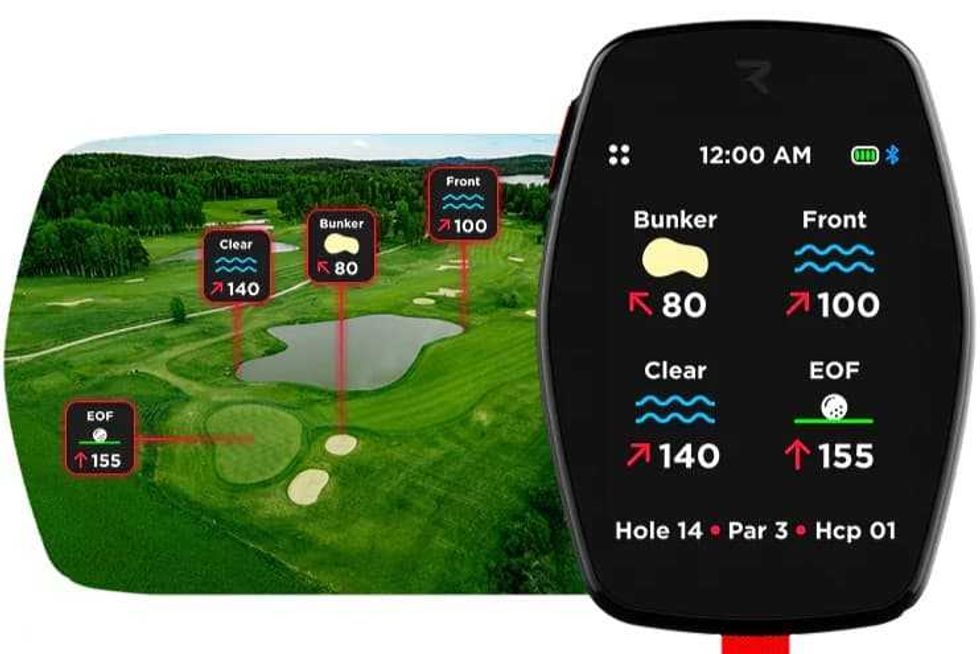 Golf GPS Devices Golf GPS Devices
Golf GPS technology uses satellite positioning to identify a golfer’s location on the course. The device compares that position with stored course mapping data and calculates the distance to important targets.
Depending on the model, it may show distances to the front, center and back of the green, as well as bunkers, water hazards, doglegs and preferred lay-up areas. More advanced devices can include full-color hole maps, digital scorecards, shot tracking, green information and detailed performance statistics.
The main benefit is speed. A player can glance at a watch or handheld device and receive useful information within seconds. This reduces uncertainty and allows the golfer to concentrate on choosing a club, selecting a target and committing to the shot.
Why Accurate Distances Matter
Distance control is one of the foundations of good golf. Even a well-struck shot can finish in trouble when the wrong club is selected. Golfers who regularly misjudge yardages may come up short of bunkers, fly over greens or leave themselves with difficult recovery shots.
Traditional course markers are useful, but they do not always provide the complete picture. A marker showing 150 yards may measure to the middle of the green, while the flag could be positioned close to the front or back. The golfer’s ball may also be several yards away from the marker itself.
GPS provides information from the player’s actual location. Knowing the front, middle and back distances makes it easier to choose a club that suits the situation rather than focusing on a single number.
For example, a golfer may have 140 yards to the front, 152 yards to the center and 164 yards to the back. Those measurements help the player consider the flag position, surrounding hazards, and the safest possible miss before selecting a club.
Improving Course Management
GPS technology is not only useful for measuring the distance to the green. It can also help golfers plan the entire hole.
On a par four with a fairway bunker, the device may show the distance needed to reach the hazard and the yardage required to carry it. The golfer can then decide whether to use a driver, play short with a fairway wood or choose a controlled iron from the tee.
On a par five, GPS can help identify a sensible lay-up distance. Rather than automatically hitting the longest club available, the player may choose to leave a comfortable wedge yardage for the following shot.
This type of decision-making is often what separates consistent golfers from those who rely on aggressive shots at every opportunity. Seeing the shape of the hole more clearly helps players avoid hazards, choose better targets, and play to their strengths.
Valuable on Unfamiliar Courses
Golfers gradually learn the hidden details of their home course, but that knowledge is missing when playing somewhere new. A GPS device can provide an immediate overview of each hole, including landing areas, hidden hazards and doglegs.
This makes the technology particularly useful for golf holidays, society days and visits to unfamiliar clubs. Instead of playing blindly, golfers can understand the basic shape and strategy of the hole before hitting their shot.
Golf Watches and Handheld Golf Rangefinders
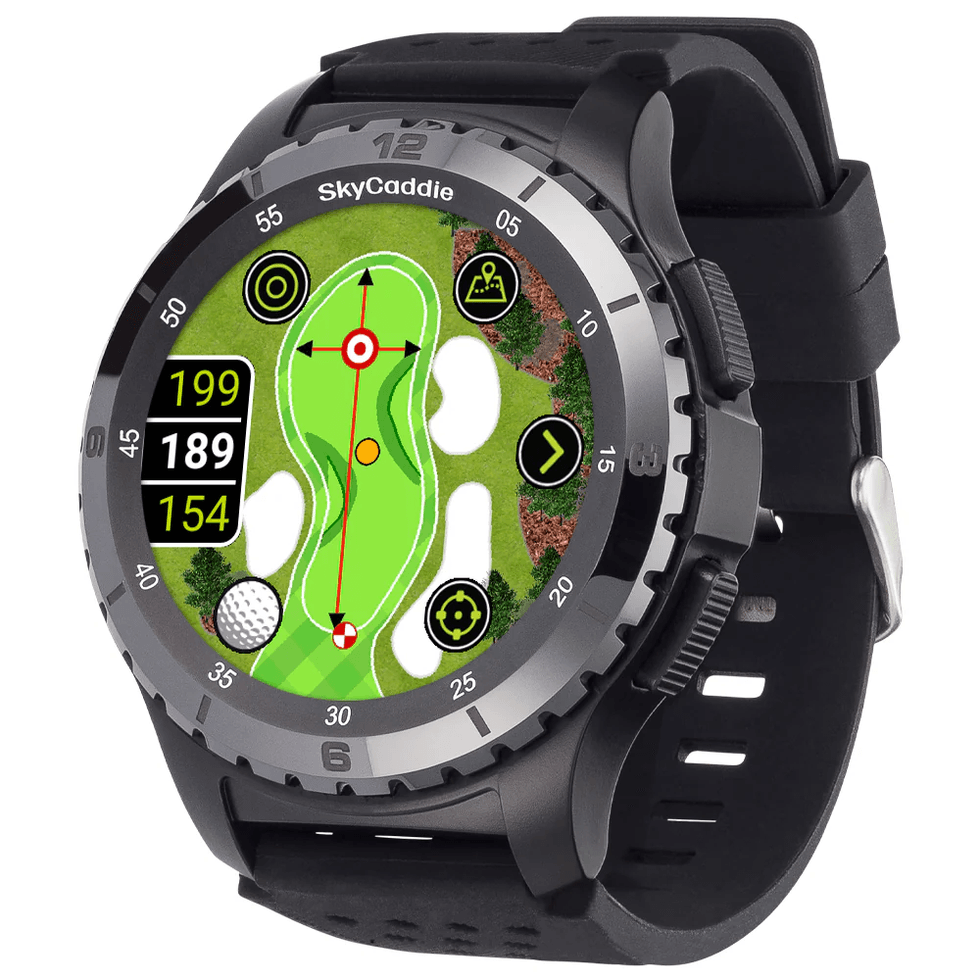 Golf Watches and Handheld Golf RangefindersSkyCaddie
Golfers can choose from several types of distance-measuring devices, with watches and handheld units among the most popular.
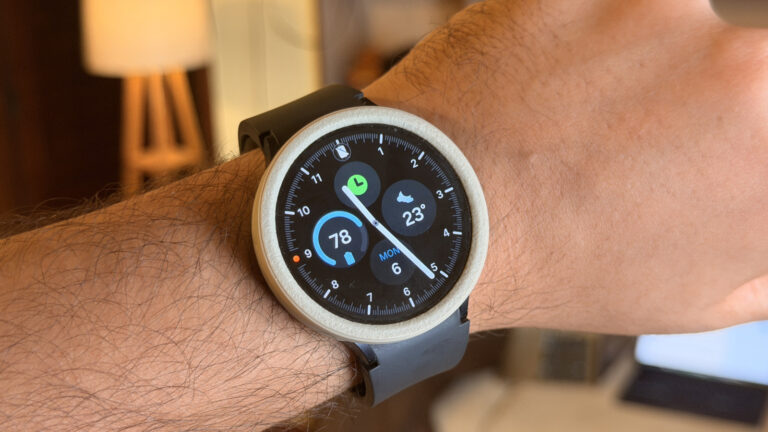
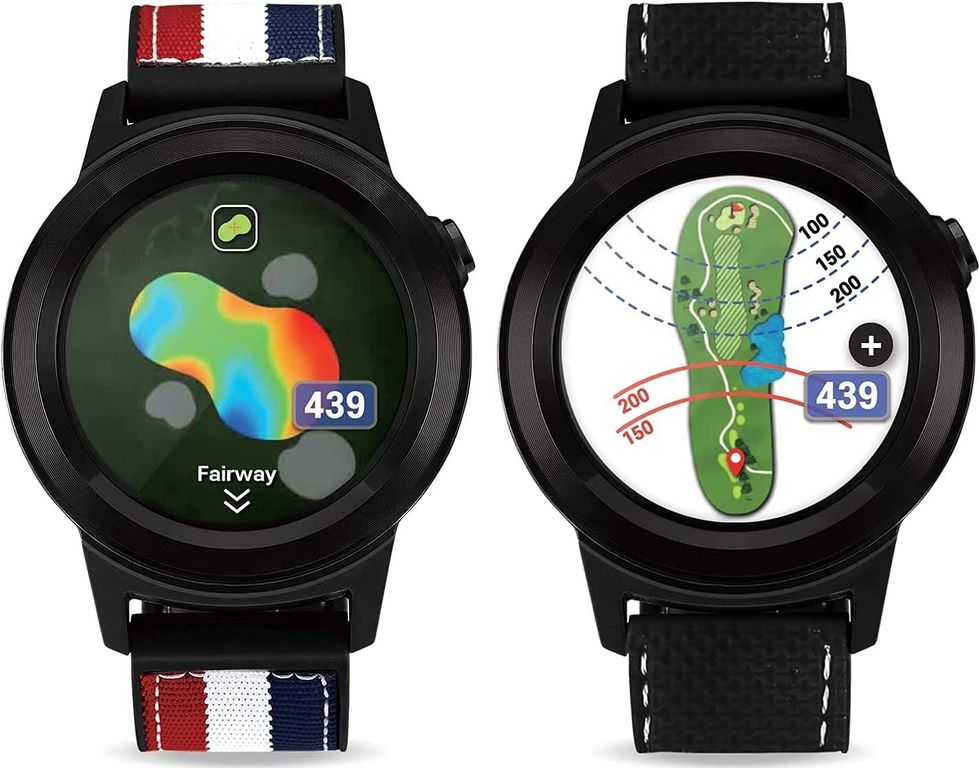
Modern golf watches provide information without interrupting the flow of play. Because the device is worn on the wrist, the golfer does not need to search through the bag before every shot. Basic models may display front, middle and back distances, while premium versions can include color maps, touchscreen controls, hazard information, score tracking and fitness features.
Their convenience makes watches particularly suitable for golfers who want quick yardages with minimal effort. Many can also be used away from the course, offering step tracking, heart-rate monitoring, notifications and other smartwatch functions.
Handheld GPS units usually provide a larger screen and more detailed visuals. The bigger display can make it easier to study the complete hole, identify hazards and understand the shape of the green. Some models include touch targeting, allowing the golfer to select a point on the map and see the distance to that area.
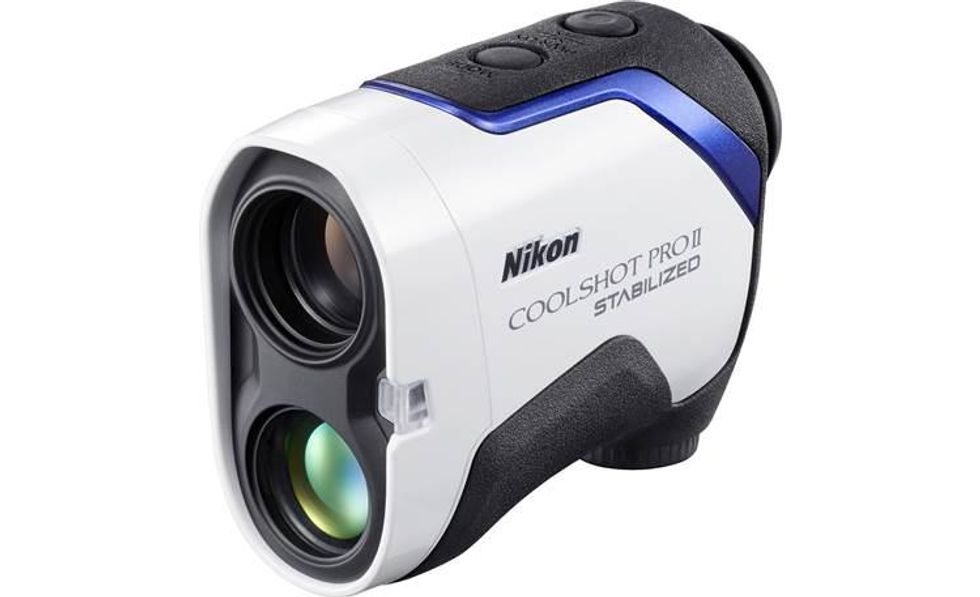
Laser rangefinders work differently. A laser device measures the precise distance to a visible target, such as the flagstick, by sending out a laser beam and calculating how long it takes to return.
Lasers are useful for exact flag distances, while GPS units provide broader course information and do not require a direct view of the target. Some golfers carry both, using GPS for strategy and a laser for a precise final measurement.
GPS or Laser: Which Is Better?
 GPS or Laser: Which Is Better? Crutchfield
The right choice depends on how the golfer prefers to play.
A laser rangefinder is ideal for someone who wants an exact distance to the flag. It can also measure trees, bunker faces, and other visible objects. However, the target normally needs to be in sight, and some players find it difficult to hold the unit steady.
GPS can provide information even when a green or hazard is hidden. It also displays distances to several points without requiring the golfer to aim at each target individually.
Players who value convenience may prefer a watch. Those who want detailed hole maps may choose a handheld GPS unit, while golfers focused on exact pin measurements may favor a laser. The best device is ultimately the one that provides information the player will regularly use.
Supporting a Faster Pace of Play
GPS can also make club selection quicker. A golfer no longer needs to pace out a distance from a fairway marker or spend several minutes estimating the yardage.
This is especially useful after an inaccurate drive, when the ball may be behind trees or far from a recognized marker. Quick information helps the player make a decision and maintain a smoother pace of play.
Tracking Performance After the Round
Many premium GPS devices do more than display distances. They can record scores, track shot locations and collect performance information throughout the round.
This data can help golfers identify patterns. A player may discover that approach shots regularly finish short, that most dropped shots occur around the green or that a particular club is not traveling as far as expected.
Some devices connect to mobile apps where golfers can review fairways hit, greens in regulation, putting and average club distances. This is valuable because many players overestimate how far they hit the ball. Tracking real shots provides a more realistic picture and can lead to better club selection.
Choosing the Right Device
 Choosing the Right Device golfer hitting long shot photo
Before buying a GPS product, golfers should consider how they plan to use it.
A straightforward watch may be enough for someone who only wants front, middle and back distances. A more experienced player may prefer detailed hazard information, color mapping and shot-tracking tools.
Screen size is another consideration. Watches are compact, while handheld devices display more course information. Battery life also matters, particularly for golfers who play 36 holes or travel regularly.
Players should also check course coverage, water resistance, subscription charges, ease of use and compatibility with mobile apps.
Golfers comparing the latest golf gps products should focus on the features that support their own playing style rather than simply choosing the device with the longest specification list.
Using GPS in Competitions
 Using GPS in Competitions Amazon
Distance-measuring devices are permitted in many forms of golf, but local rules and competition conditions can vary.
Devices that measure distance only are widely accepted. Features that calculate adjustments for slope, wind, or other playing conditions may need to be disabled during competitive rounds.
Golfers should always check the local rules before starting. Many rangefinders include a tournament mode that switches off slope-adjusted measurements, while GPS products may also include competition-friendly settings.
Used correctly, the technology simply provides course information. The golfer must still judge the wind, assess the lie, choose the correct trajectory and execute the shot.
A Practical Tool for Every Level of Golfer
GPS devices can benefit beginners, experienced club players and low-handicap golfers.
Beginners gain a clearer understanding of distances and hole layouts. Mid-handicap players can improve club selection and avoid unnecessary hazards. More advanced golfers can use detailed information to refine strategy and manage their misses.
The technology is also easy to incorporate into a normal round. Once the device is charged and the course has been selected, useful information is available without changing the fundamental way the game is played.
Golf will always depend on skill, feel and decision-making. GPS does not hit the shot for the player, but it gives them a clearer starting point. By understanding the course, selecting better targets and making informed club choices, golfers can play with greater confidence and get more enjoyment from every round.
From Your Site Articles
Related Articles Around the Web