Smart Home Hubs Can Be Handy, But Here’s Why You Probably Don’t Need One
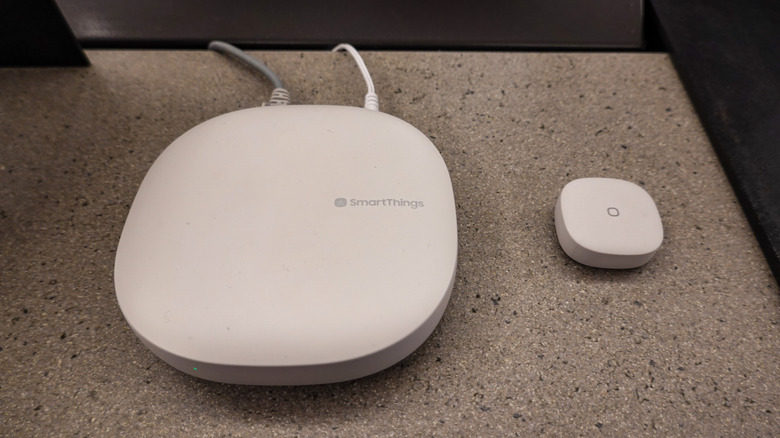
Not everyone has a smart home hub, but they can certainly be useful. Their ability to serve as a central system that connects different devices regardless of their underlying wireless tech is a big selling point. This is often important for devices that use Zigbee, Z-Wave, Thread, and Matter, which can all be supported through a hub. However, the smart hub has perhaps become less common in recent years, thanks to the ongoing evolution of smart technology.
Many of today’s smart devices connect directly over Wi-Fi and can be controlled through phone apps or standalone smart speakers, making hubs less important. Platforms like Amazon Alexa, Apple Home, and Google Home can do everything from handling voice commands to managing smart lights. Because they can run basic automations while also working as the main control point, they’ve essentially become a modern alternative to the traditional smart hub.
Smart displays, like the Amazon Echo Show and Google Nest Hub, are also part of this shift. They combine the convenience of voice control found in smart speakers with a screen, and many newer models build the hub tech right in. Users can access camera feeds, timers, videos, and other features at a glance, making them a viable alternative to hub systems. While the hub, the speaker, and the display overlap in terms of what they can do, the decision of which one to choose comes down to the user’s specific needs.
The drawbacks of smart home systems
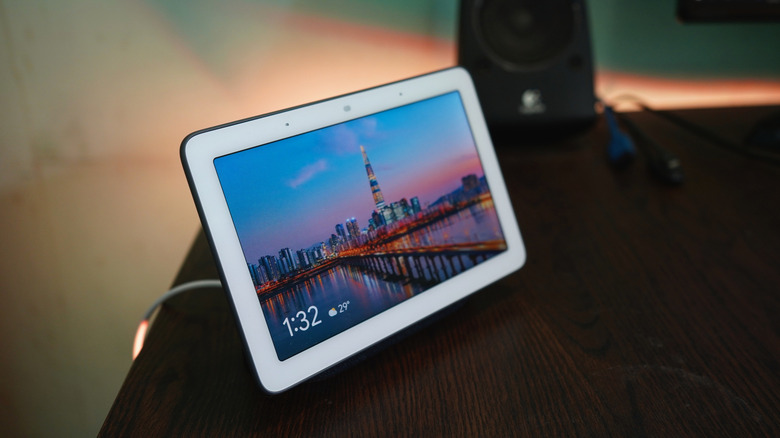
Smart home systems haven’t always been the connected ecosystems they are today. In fact, they were nothing more than basic controls at one time, limited to simple operations like switching lights or turning appliances on and off remotely. Even into the 1980s and 1990s, “smart” functions were only available for some devices. With the rise of Wi-Fi in the 2000s and the widespread adoption of smartphones that followed, various home devices began to feature smart technology that allowed them to connect within wider systems.
While smart home technology has come a long way, it comes with some drawbacks, including broad concerns over both privacy and security, as connected devices collect and transmit user data. There can also be compatibility issues when systems don’t work well together. Then, there’s the problem of user reliance, as a system failure can mean losing control over your devices.
Smart home systems can also be problematic in terms of ongoing costs. Some individual devices like security cameras and video doorbells made by major smart home security companies may require monthly subscriptions. Without those payments, users may not be able to store or review recorded videos, limiting how useful these devices are in the first place. These additional expenses add up, making the initial purchase more expensive over time.